-
Dikili After the Cameras: Cleaning the Evidence, Not the Conscience

In the days following the broadcast of secretly recorded footage from the Dikili Municipal Animal Shelter, a familiar pattern unfolded. After public outrage erupted, the shelter was reportedly cleaned and then reopened for visits. According to local media, municipal officials and representatives invited the press and the public to inspect the facility once the worst visible signs of neglect had been removed.
But a washdown is not accountability, and a staged visit is not transparency.
Cosmetic Measures, Structural Cruelty
Scrubbed floors and replaced bowls cannot erase what the cameras documented: animals living in filth, suffering from untreated wounds, malnutrition, dehydration, and disease. These were not temporary oversights caused by a single bad day. They were the visible outcomes of a system that had been allowed to decay over time, with living beings paying the price.
When authorities act only after exposure cleaning, repainting, and arranging controlled visits the focus shifts from the animals’ long-term welfare to institutional reputation management. The problem is no longer the suffering itself, but the fact that it was seen.
Allowing visits after an emergency clean-up raises a critical question:
Why were the doors not open before the footage emerged?True transparency means continuous, independent access, not guided tours once public pressure becomes unbearable. It means regular inspections by veterinarians and animal welfare organisations, public reporting of conditions, and clear responsibility for neglect. Without these, any reopening is merely a performance.
From Evidence to Intimidation
Equally disturbing are the reports that those who exposed the conditions now face legal consequences. When whistle blowers are treated as criminals and institutions as victims, the message is chilling: silence is safer than truth. This does not protect animals. It protects systems that fail them.
The Bigger Picture
Dikili is not an isolated case. Across Turkey, and in many other countries, shelters risk becoming warehouses of suffering when laws, funding, oversight, and compassion fail to align. Recent legal changes and political rhetoric have further weakened the already fragile safety net for stray animals, creating an environment where neglect and slow killing can be normalised under bureaucratic cover.
Cleaning Is Not Justice
Justice for the animals of Dikili will not come from disinfectant and fresh paint. It will come from:
Independent, unannounced inspections
Full veterinary assessments and treatment records made public
Legal accountability for neglect and abuse
Protection, not prosecution, of those who document wrongdoing
A transparent plan for long-term welfare, not short-term image repair
The footage forced the truth into the light. What happens now will show whether that light leads to real change or whether it is simply switched off once the walls look clean enough for the cameras again.
-
Justice Failed the Dog and the Witness

In a surprising and controversial legal outcome in Turkey, a woman known locally as Mardinli Marilyn Monroe has been sentenced to prison not for harming an animal, but for sharing a video of a taxi driver running over a stray dog.

The Incident That Sparked Outrage
The story began on May 26, 2024, in the Artuklu district of Mardin Turkey. A taxi driver stopped on a pavement to pick up a passenger. When he drove off, the front wheels of the taxi passed over a stray dog that had been sleeping on the pavement. The dog managed to flee, and passers-by reacted angrily.
Security camera footage captured the moment a clip that would soon spread widely online.
While police later investigated and fined the taxi driver under Turkey’s animal protection laws for hitting an animal and failing to help it, the driver claimed he hadn’t seen the dog.
Sharing the Video And Facing Legal Consequences
Melek Akarmut (50) shared the security footage of the incident on social media to highlight the plight of the stray dog.
However, the taxi driver filed a complaint, arguing that Akarmut had violated his privacy by sharing the video online. This led to a criminal case against her.
Earlier this year, a Turkish court convicted Akarmut of violating personal privacy and sentenced her to two years in prison.
Credit Dark web haber
“I’m Going to Prison for Protecting Animals”
In a video posted from outside the prison where she surrendered herself, Akarmut explained her side of the story and made a powerful appeal:
“I’m not the one who hurt the dog. I’m the one going to prison. My crime was protecting animals.”
She described how she had gone to the Elazığ Women’s Open Prison to turn herself in and urged her supporters not to forget her. The emotional video included her saying that this sentence did not just affect her, but her family, her businesses, and the many animals she cares for
Public Reaction and Broader Questions
The news of her imprisonment has stirred debate in Turkey and beyond:
Animal lovers and advocates see her sentence as deeply unfair and a sign that efforts to protect animals can come at a personal cost.
Legal experts and free-speech advocates have pointed out that privacy laws are being used in ways that may discourage whistleblowing or public accountability.
Others argue for a clearer balance between protecting individual privacy and exposing mistreatment of animals or other vulnerable beings.
Regardless of where one stands, her case raises important questions about the intersection of public interest, social media, and the law.
-
A Dark Day for Animal Justice and Free Speech: UK Votes to Criminalise Peaceful Protest
Today marks a profoundly troubling moment for animal rights, civil liberties, and the very heart of democratic expression in the United Kingdom. In a vote that has stunned activists and defenders of freedom alike, UK MPs led by Home Secretary Shabana Mahmood have passed a controversial amendment that makes peaceful protests at animal testing facilities a criminal offence punishable by up to one year in prison and unlimited fines.
This development is not just a shift in public order law; it is an attack on the fundamental rights of people to stand up for voiceless animals and to challenge the status quo of cruelty a status quo that demands far greater public accountability and humane reform.

Credit Lukas Vincour / Zvirata Nejime We Animals Media What Has Changed And Why It Matters
Under the new amendment to the Public Order Act, facilities involved in animal testing including breeding centres and laboratories are now legally designated as key national infrastructure. This dubious reclassification empowers the state to clamp down on peaceful civic action, placing animal welfare protests on par with activities near airports, power stations, and motorways.
This move has dangerous implications:
It essentially criminalises compassionate civil disobedience.
It chills public dissent against controversial practices hidden behind lab doors.
It sets a precedent that could extend to other forms of ethical protest in the future.
This measure sailed through the House of Commons on a 301-to-110 vote, despite widespread opposition from civil liberties organisations and animal rights groups. A small group of Labour MPs bravely resisted, but the government’s majority prevailed

Credit Roger Kingbird We Animals Media Why This Harms Animals Not Helps Them
Supporters of this law argue it protects vital scientific work or prevents disruption of life science operations. But make no mistake this tactic protects secrecy over scrutiny. Animal testing remains one of the most ethically fraught practices in modern science. It subjects sentient beings dogs, cats, monkeys, rabbits to procedures that often inflict pain, fear, and death. The British public has repeatedly shown growing discomfort with these practices, but today’s vote says loud and clear: ethical objections will no longer be tolerated in public spaces.
This is deeply at odds with a society that prides itself on humane values and democratic freedom.

Credit Roger Kingbird We Animals Media Voices of Resistance Inside and Outside Parliament
Critics of the bill have struck a unified tone of alarm:
Civil liberties advocates warn this is a draconian crackdown on peaceful assembly and free speech.
Animal rights organisers including those maintaining long-term vigils such as the Camp Beagle campaign have pledged to continue protesting, even in the face of arrest.
Opposing MPs have pointed out the law’s chilling irony: the party that once opposed such restrictions now champions them

Credit Jo Anne McArthur / Te Protejo We Animals Media Dog Desk Animal Action’s Response
At Dog Desk Animal Action, we are outraged but undeterred.
This legislation does not silence us. It amplifies our resolve.
We stand firm in our belief that:
Peaceful protest is not a crime. To criminalise moral opposition is to criminalise empathy itself.
Animals deserve transparency and humane treatment, not state protection for cruelty.
A free society must protect the rights of its people to speak, assemble, and advocate especially for those who have no voice.
Our mission has always been to fight cruelty, protect the vulnerable, and push for a kinder world for dogs everywhere. Today’s vote is a setback but it is also a rallying cry.

Credit Jo Anne McArthur We Animals Media What Happens Next
Though the Commons has passed this amendment, it must still face scrutiny in the House of Lords. That chamber has a long-standing tradition of challenging overreach. Public pressure now matters more than ever. We urge:
Petitions opposing the law
Continued peaceful demonstration
We will not be silenced we will be seen and heard.

Credit Jo Anne McArthur We Animals Media Stand With Us
If you believe in freedom of speech, ethical scientific practice, and an end to animal suffering, then join Dog Desk Animal Action today. Make your voice count. Speak up for dogs, speak up for animals, and speak up for democracy.
Peaceful protest should never be treated as a crime. And compassion should never be legislated out of existence.
-
Distressing Footage of Dogs in Collection Trucks Sparks Outrage in Eskişehir
Credit https://www.instagram.com/canyoldasim.26
Disturbing footage from Eskişehir, Turkey, has sparked widespread outrage after showing stray dogs crammed into municipal collection vehicles in what can only be described as cruel and inhumane conditions. The images reveal dogs packed tightly together, struggling to breathe, with little space to move, and in visible distress. Some are lying on top of each other.

Dogs Treated as Cargo, Not Living Beings
In one incident, around 25 dogs were reportedly forced into a small enclosed compartment of a collection truck, some restrained by ropes around their necks. In another, several dogs were transported in a closed, poorly ventilated van. These conditions pose serious risks of suffocation, injury and extreme fear.

Public Outcry and Calls for Accountability
Animal lovers and welfare groups across Turkey and beyond reacted with anger and heartbreak. Social media quickly filled with demands for investigations, punishment for those responsible, and an end to abusive round-up practices that ignore basic animal welfare standards.

A Systemic Problem, Not an Isolated Case
These scenes are not unique to Eskişehir. Across the country, similar methods are being used under the guise of collecting stray dogs, often without proper transport, veterinary oversight, or humane handling. This reflects a deeper crisis in how authorities are responding to Turkey’s stray animal population.

Where Are the Dogs Now?
Following public pressure, it was reported that the dogs shown in the footage were transferred to the Eskişehir Metropolitan Municipality Animal Life Centre, where they are receiving care. While this is a relief, it does not erase the suffering they endured or guarantee that such incidents will not happen again.

Why This Matters
Dogs are sentient beings who feel fear, pain, and stress just like humans do. Forcing them into overcrowded, airless vehicles is not control it is cruelty. True animal welfare means humane handling, proper shelter, veterinary care, and long-term solutions such as sterilisation and community-based protection, not violent round-ups.

A Call for Compassion and Change
The images from Eskişehir should serve as a wake-up call. Without transparency, legal accountability, and a commitment to humane policies, countless more dogs will continue to suffer behind closed doors. These animals deserve protection, dignity, and lives free from terror not to be treated as disposable cargo.
-
Why “Just Hire a Vet” Isn’t an Option

For years, small rescue organisations in Turkey have worked on the front lines of animal suffering: pulling dogs from traffic, treating disease, responding to abuse, and giving the abandoned a chance to live. Today, that work is no longer simply difficult. It is legally constrained.
Since the passing of the 2024 legislation widely referred to as the “slaughter law,” the entire landscape of rescue has changed. Under this law, we can no longer legally intervene to help a stray dog without obtaining express official permission. This requirement alone is devastating. It has already forced many rescues, including ours, to freeze planned programmes. This is why our 2025 projects were placed on ice before they could begin.

When Compassion Requires Permission
Previously, if we found a dog hit by a car anywhere in the country, in agony from infection, or collapsing from starvation, we could act immediately. Now, even approaching a stray animal for treatment can place a rescuer at legal risk without formal & prior authorisation.
This has created a chilling effect for many NGO’s in the country:
Delays in emergency care
Fear of confiscation or legal action
Animals left suffering while paperwork is sought
Rescue groups forced into paralysis
The law has not only restricted NGOs. It has placed veterinarians themselves in an impossible position. We are far luckier than most as we have good relationships with authorities which allow us to continue our work but with caveats.

Vets Under Pressure
Today, many Turkish vets are being questioned, challenged, and in some cases intimidated by authorities for treating stray animals. Where once they could act under professional and ethical duty, they now face scrutiny for every intervention.
Helping a street dog can mean:
Being asked to justify treatment
Facing inspections
Risking professional standing
Being accused of acting without approval
This has left many compassionate vets caught between their oath and their safety. Some are forced to refuse cases they would once have treated without hesitation. Others help quietly, at personal and professional risk.
In this climate, expecting our vet to formally partner with us to open or run a clinic is simply unrealistic.

Why We Cannot Open Our Own Clinic On Our Own
A common suggestion is: “Why don’t you open your own veterinary clinic?”
Legally, a non-veterinarian cannot open or operate a veterinary practice in Turkey. An NGO cannot do so either. A clinic must be established and licensed through a registered veterinary surgeon, who becomes legally responsible for:
All medical decisions
Controlled drug management
Regulatory compliance
Government inspections
Legal liability for every animal treated
This means we would need a vet partner willing to put their professional licence, career, and freedom on the line by attaching themselves formally to a rescue organisation that treats stray dogs under an increasingly hostile legal framework. two years ago this was not a problem & we did fund a small clinic offering very basic services. However, in the current climate, this is simply not going to happen. And it would be deeply unethical to ask it of any vet.

The Reality
Between:
The new legislation restricting intervention
Increased pressure on veterinarians
The legal impossibility of NGOs running clinics alone
The requirement for a vet partner who would face serious professional risk since the 2024 slaughter law
Small rescues are now operating in survival mode.
We can only act when permission is granted.
We can only treat when vets feel safe enough to help.
We can only plan when the law allowsThis is why our 2025 projects were frozen. Not from lack of will. Not from lack of compassion. But because the legal environment no longer allows us to function as we once did. It is no longer possible to work outside the areas we currently have permission to operate.

Still Here, Still Fighting
Despite all of this, we continue to work within the narrow space that remains. We advocate, we support where permitted, we stand beside the vets who still dare to help, and we document what is happening. We maintain the precious relationships which allow us to provide medical care to dogs in some regions.
Rescue in Turkey is no longer just about pulling dogs from the streets.
It is about navigating law, fear, and restriction and still choosing, whenever possible, to save a life.That is the reality small NGOs are now facing.
-
A Shocking Revelation from Dikili Shelter
Credit Sözcü TV
Secretly recorded footage from the animal shelter affiliated with Dikili Municipality in İzmir has deeply shaken public conscience. First broadcast on Sözcü Television, the images reveal animals living in conditions that can only be described as cruel and degrading, far removed from what any facility calling itself a shelter should represent.

Filth, Injury, and Neglect
The footage shows dirty food bowls, unhygienic enclosures, and animals forced to survive on spoiled food. Many are visibly injured, with wounds on their bodies and legs, while others show clear signs of illness. Instead of recovery and safety, the environment itself appears to be making them sicker.

Treatment in Name Only
Although the animals were reportedly said to be under treatment, observers witnessed the opposite: lack of veterinary care, insufficient nutrition, dehydration, and conditions that actively encourage the spread of disease. A system that should heal is instead allowing suffering to deepen.

A Slow and Silent Massacre
One of the most haunting descriptions accompanying the footage is simple and devastating: This is a massacre. Not an instant act of violence, but a prolonged one carried out through starvation, thirst, untreated illness, and abandonment. Under the shadow of recent laws, some animals are killed directly, while others, like those in Dikili, appear to be left to die slowly.

Courage of the Whistleblowers
A group of animal lovers, driven by conscience, entered the shelter and documented what they saw with their mobile phones. Their recordings have moved and outraged the public. Yet it is claimed that these same individuals were taken into custody for unauthorized entry and property damage, raising serious questions about priorities and accountability.

When Shelters Become Places of Suffering
If the images reflect the truth, the Dikili Shelter is not fulfilling its purpose. A place meant to protect the most vulnerable has become a site of neglect and pain. Exposing such conditions is not a crime; allowing them to continue is.

A Call for Accountability and Change
The situation in Dikili is not just a local scandal but a warning sign of a wider crisis in the treatment of stray animals. Independent inspections, transparency, and genuine enforcement of animal welfare standards are urgently needed. These animals cannot speak for themselves. It is our duty to ensure their suffering is neither hidden nor ignored.
-
Forensic Report Confirms Mademoiselle Died From Severe Physical Assault

The official necropsy report on Mademoiselle, a 15-year-old street dog who lived at the Demetevler Metro Station in Ankara, has confirmed what many feared: she was the victim of violent physical trauma which led to her death.
A Beloved Street Dog
Mademoiselle had become a familiar sight at the metro entrance, where commuters, students, and neighbourhood residents looked out for her wellbeing. For years, she survived the harsh winters and hot summers in the metro, becoming in many ways a symbol of street resilience and community care.
But on 3 January 2026, she was seen entering the metro station seeking warmth. What happened next would shock an entire city.


The Official Report: Violence, Not Natural Death
After weeks of public outcry and intense scrutiny, the Ankara University Faculty of Veterinary Medicine completed a detailed necropsy of her remains. The findings are stark and chilling:
Extensive internal bleeding in multiple organs
Subdural bleeding in the skull
Evidence of heavy blunt force trauma
Internal injuries inconsistent with illness or accident
The report concluded that Mademoiselle died from hypovolemic shock a life-ending collapse of the circulatory and respiratory systems due to widespread internal bleeding. Experts noted that the severity of injuries strongly indicates intentional violence
What Happened Next? Accountability Takes Shape
Following the findings, the Ankara Metropolitan Municipality took decisive administrative action. The employees implicated in the incident previously placed on leave have now had their employment terminated under the direction of the city leadership. An ongoing legal process is advancing with the Ankara Chief Public Prosecutor’s Office, and the municipality has joined the case as an official participant.
Public Reaction and a Call for Justice
Mademoiselle’s death has sparked widespread public outrage, from social media outpourings to organised protests in front of the Demetevler Metro Station. Many animal rights advocates have criticised the slow pace of transparency, especially regarding surveillance footage from the station, which has not yet been publicly released to the prosecutor’s office. There are concerns that this vital evidence will be lost as has happened many times before.
Petitions demanding accountability and tougher legal consequences for animal cruelty have gained thousands of signatures, and voices from across the country are calling for reforms in how stray animals are protected and treated under existing laws
Why This Matters Beyond One Dog
Mademoiselle’s story reflects a deeper societal debate: how vulnerable animals are treated by institutions and what justice truly means for lives without legal guardians. In fact due to changes in legislation & numerous directives challenges are present which restrict citizens & eve veterinarians from helping dogs like Mademoiselle. We have evidence of a DKMP veterinarian visiting a veterinary clinic looking for stray dogs that would be confiscated if found. Citizen are no longer allowed to remove stray dogs from the streets for sterilisation or treatment. People are told only government agencies have the right to do this. That being said these government agencies are now the guardians of street animals. And they beat them to death in full view of the public without hesitation. Her case has ignited conversation about animal welfare, municipal responsibilities, and community values across Turkey.
For many, Mademoiselle was more than a dog she was a companion to many, a silent witness to daily life, and now a symbol of why compassion and accountability must prevail.
-
Driver Who Ran Over a Sleeping Dog Identified and Caught

A deeply disturbing incident in Turkey has once again highlighted the dangers faced each day by stray animals and the urgent need for stronger accountability.
In the Doğancı village of Bolu, a driver was caught on camera running over a dog that was sleeping on the road and then continuing on without stopping. The impact left the dog severely injured, with multiple fractures to its legs. The footage, which quickly spread on social media, caused widespread outrage among animal lovers and the general public.
Witnesses immediately alerted authorities and municipal veterinary teams rushed to the scene. The injured dog was taken to a veterinary clinic, where emergency treatment began. Veterinarians confirmed that the dog had suffered serious trauma and would require long-term care.
Following the circulation of the video, police launched an investigation using traffic cameras and eyewitness reports. The driver was identified and apprehended in a short time. According to official statements, legal and administrative proceedings were initiated under Turkey’s Animal Protection Law (Law No. 5199).

A Broader Problem
This case is not an isolated one. Across Turkey and many other countries, stray animals are routinely injured or killed by vehicles, often due to speeding, inattention, or simple indifference. What makes this case particularly painful is the failure of the driver to stop and offer help after realizing what had happened.
Animal welfare organisations stress that every such incident is a test of society’s conscience. Roads are shared spaces, and drivers carry a responsibility not only toward other humans, but toward all living beings who may cross their path.

Justice and Responsibility
While the capture of the driver is an important step, animal rights advocates continue to call for stronger enforcement of existing laws and more serious penalties for acts of negligence and cruelty. They also emphasize the need for better public awareness, driver education, and local measures to protect stray animals, such as warning signs in areas where animals frequently rest or cross.
The injured dog’s fight for survival is now in the hands of veterinarians. He is no longer in shock & is eating but remains very unwell & unable to use his hind legs. When x-rayed like so many stray dogs he had bullets in his body. Whether he fully recovers or not, his story has already served as a painful reminder: compassion is not optional. Every life on the street matters, and justice must follow when that life is treated as disposable.
UPDATE
The patient is no longer critical but during the examination it was revealed that he had been shot multiple times with hundreds of pellets in his body. His care continues.
-
Video From Elmalı Shows Municipal Workers Removing a Dog From a Private Garden
A video shared on social media has brought renewed attention to the way municipalities intervene in situations involving owned and stray animals in Turkey.
The footage, filmed by local residents in Elmalı, Antalya, shows municipal workers entering a private garden, removing the dog with a catchpole & removing him a most brutal manner.

Citizen Footage as Primary Evidence
At this stage, the clearest documentation of the incident comes from citizen video and eyewitness accounts shared on social media. In many animal welfare cases, such recordings are the first and sometimes only form of evidence available, and they play a crucial role in ensuring transparency and accountability.
The video indicates:
Entry onto private property
The removal of a restrained dog
Handling that is cruel, distressing & harmful for the dog
These are observable facts from the footage itself, regardless of later official explanations.

Unanswered Questions
What remains unclear and what authorities have not yet publicly clarified includes:
On what legal basis the property was entered
Whether a formal complaint or court order existed
Where the dog was taken
What the dogs current condition is
Whether the owner was informed or present
Until official documentation is released, the visual record and the testimony of those who filmed it remain central sources of information.

Why Citizen Documentation Matters
Across Turkey, countless cases of animal removal, abuse, and neglect only become known because ordinary people record what they witness. Without phones, social media, and local activists:
Many dogs would disappear without trace
Many interventions would go unquestioned
Many municipalities would never be held to account
Citizen reporting is not rumour it is often the starting point of justice.

Awaiting Official Response
As of now, there has been no detailed public statement from Elmalı Municipality addressing:
The legal justification
The welfare outcome for the dog
Whether protocols were followed
When such statements are issued, they should be assessed alongside not in place of the visual and eyewitness evidence already in the public domain.
-
Zonguldak Valiliği Launches Investigation After Viral Video Shows Dog on Garbage Truck
A video circulating on social media showing a dog riding in the back of a garbage truck in Turkey’s Zonguldak province has sparked public concern and prompted an official investigation by local authorities.
What Happened?
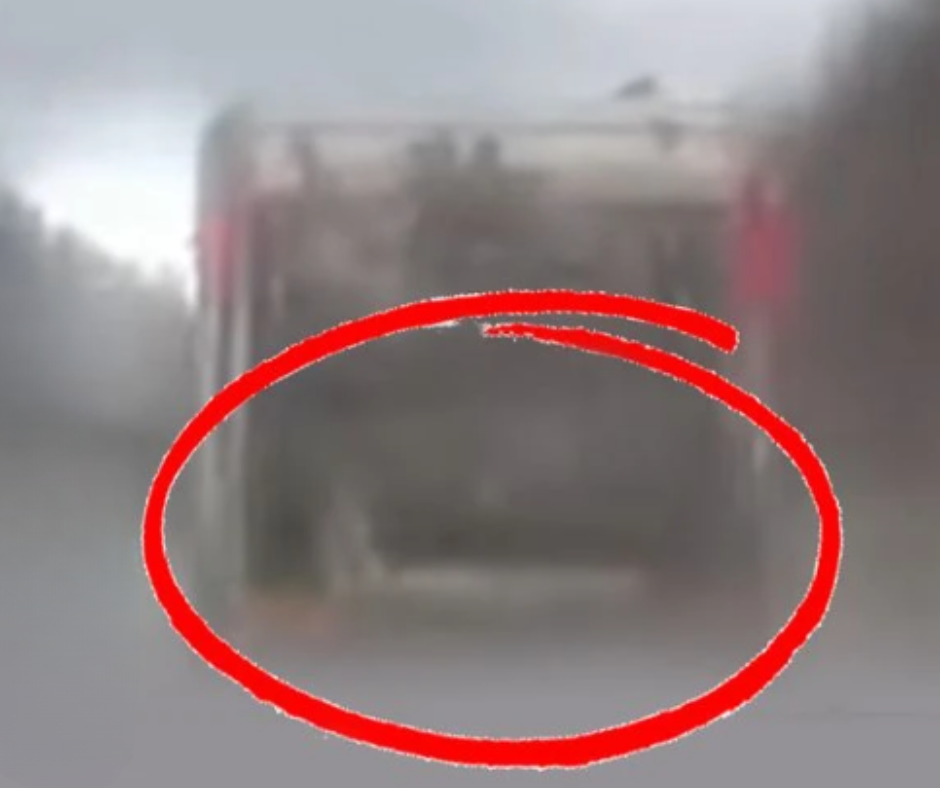
On 9 January 2026, social media users shared footage allegedly capturing a stray dog on the rear of a municipal garbage truck traveling along the Zonguldak-Karaman highway. The images quickly gained attention online, raising questions about animal safety and municipal responsibility.
In response to the online reaction, the Zonguldak Governorship (Valiliği) announced that it had initiated a formal inquiry into the incident.

Official Findings So Far
According to the governor’s statement:
The garbage truck in the footage was confirmed to belong to the Zonguldak Municipality, and it was identified as the vehicle seen on the road.
The truck had completed a stop at a landfill facility in Köroğlu Village before continuing toward the city.
Authorities believe the dog may have jumped onto the truck on its own, attracted by the scent of waste, rather than being deliberately placed there by municipal workers.
The driver and crew involved stated they did not notice the dog boarding the vehicle during the route. It was only when the truck slowed near the city that they saw the dog leave the back of the vehicle

Legal Action and Public Accountability
The governor’s office has confirmed that, following the social media outcry, the Public Prosecutor’s Office has been instructed to conduct a judicial investigation. The process is ongoing, and authorities emphasize that all aspects are being examined diligently.
The statement also underscored the administration’s clear stance against neglect and mistreatment of animals, affirming that such issues are taken seriously regardless of intent.
Why This Matters
This incident highlights several broader themes that resonate with citizens and animal lovers alike:
Animal Welfare Awareness Even unintended scenarios involving animals can raise important questions about how stray animals interact with human infrastructure.
Social Media’s Role Viral videos can accelerate official responses and bring attention to situations that might otherwise go unnoticed.
Municipal Transparency Public trust is strengthened when authorities respond promptly with investigations and clear communication.
What We’re Watching Next
As the judicial review continues, many in the community are awaiting further details, such as:
Whether any policy or procedural changes will be introduced for waste collection practices.
Confirmation of the dog’s condition and welfare following the incident.
Conclusions from the prosecutor’s investigation regarding responsibility.
Conclusion
While it appears the dog may have entered the garbage truck of its own accord, the strong reaction from both the public and the authorities shows a growing sensitivity toward animal welfare issues in our communities. The ongoing investigation reflects a commitment to accountability whether to prevent future risks to animals or to clarify responsibilities in municipal operations.
-
I Believe in Community Not Division
I believe in community.
I always have. From the very beginning, I have shared the work of many organisations, not just mine. I have given up my platform so others can reach new audiences. I have amplified animal welfare efforts through my radio and magazine work. I have done this because collaboration saves lives, and because no single organisation can carry this burden alone.
Community is not about loyalty to one brand, one shelter, or one name.
It is about animals.Until today, that belief had never been shaken.
Today, I shared a kind, supportive post encouraging adoption.
What followed was deeply disturbing to me.
When Support Becomes Harm
Some of the comments were not constructive. They were chaotic, abusive, and divisive. A small but vocal group used the post to undermine others in favour of their favourite organisation. Instead of lifting animals up, they tore parts of the rescue community down.
One commenter went as far as to say that shelters needed to raise their game via better storytelling in order to gain more support.
Let me be absolutely clear:
That mindset is dangerous.Many shelters and rescue groups are operating on the brink of collapse. They are underfunded, overwhelmed, and working in impossible conditions. They are not failing because they lack professionalism or ambition. They are struggling because animal suffering is relentless and resources are finite. We are rescuers not entertainers. And while we show our work our eyes are always on our animals not how great our social media videos are.
To publicly dismiss them, shame them, or suggest they are somehow inferior because they do not meet an arbitrary standard set by outsiders is not supporting rescue. It is actively harming it.
Why This Cannot Be Tolerated
When people demean organisations whether it’s a local shelter, a rescue dog walking group or a foster network it hurts animals.
Small organisations are often the first to take the hit. They lose support, not because they are doing bad work, but because they are being publicly undermined. When small rescues disappear, the animals they cared for do not magically get absorbed elsewhere.
They fall through the cracks.
They are left behind.
They die.There is no hierarchy in animal welfare that makes this acceptable.
We Are Not Competing We Are Surviving
The rescue world is not a competition.
We do not win by crowning a single organisation as the best while the rest are deemed not good enough. We survive by working together, respecting different capacities, and understanding that every organisation large or small fills a vital gap.
No one organisation can do everything.
No one individual can stop all suffering.
Believing otherwise is not confidence it is arrogance.And arrogance has no place in rescue.
Zero Tolerance Going Forward
The post was eventually deleted because it had lost its purpose. It was no longer helping animals. It had become a platform for hostility and public undermining of organisations that exist solely to help others.
That made me angry. It should make all of us angry.
I blocked every person who used an adoption post for vulnerable dogs as an opportunity to attack or belittle other organisations. And not one potential adoptee was connected with a dog.
From this point forward, there will be zero tolerance.
Anyone who attempts to tear anyone down anyone whether shelters, rescues, or grassroots groups will be banned. This applies universally, not selectively. Community spaces must centre animals
A Final Reality Check
If we allow hostility to take root, it will rot the rescue world from the inside.
And when that happens, animals pay the price.
Community means standing together.
It means protecting the most vulnerable including the smallest organisations.
And it means remembering that rescue only works when we do.That is the standard.
And it is not negotiable.Will I continue elevating community?
Yes of course but there will be rules, rules which will protect us all but ultimately rules which protect the animals we all care for.
-
Pakistan’s Stray Dog Culling and the Puppies Left to Die

When poisoned bait is laid for street dogs, the killing does not end with the animals who ingest it. It continues afterward quietly, deliberately, and out of sight. In rubble, empty plots, and abandoned buildings, puppies wait for mothers who will never return. In winter, those puppies do not survive.
This week, in Rawalpindi adult dogs were killed using poison. This method is not chosen in ignorance. Those responsible know exactly what follows.
They know lactating mothers will die away from their litters.
They know puppies cannot regulate their body temperature.
They know that without milk, puppies weaken within hours.
They know January nights are cold enough to kill.The puppies are not overlooked. They are factored in.
Poison Ensures No One Comes Back
Poisoning is uniquely cruel because it guarantees separation. Adult dogs do not die where they are fed; they stumble away, disoriented, convulsing, often dying alone. Their puppies are left behind hidden, unheard, and uncounted.
No records are kept of these deaths. No official numbers exist. The streets look cleared, while suffering is simply pushed underground.
A puppy freezing to death does not appear in any municipal report.

A Race Against Time No One Funds
Once the poison has been laid and the authorities have moved on, the responsibility shifts entirely and unfairly onto small rescue organisations and individual volunteers.
Underfunded, exhausted, and already overwhelmed, they begin racing against the clock.
They go out at dawn until well after dark, listening for cries. They lift concrete slabs with bare hands. They crawl into sewage channels. They pull puppies out already hypothermic, dehydrated, barely breathing. Some are saved. Many are not.
These rescuers do not have the funds to do this work. There is no emergency state support, no compensation, no logistical assistance. Milk replacer, heating pads, transport, antibiotics, veterinary care everything is paid for out of pockets that are already empty.
And yet they go anyway.
How can they not, knowing what will happen if they don’t?The Emotional Cost No One Acknowledges
The emotional toll on rescuers is immense. They carry the memory of puppies found too late, the cries they could not reach in time, the adult dogs who have died in the worst way imaginable knowledge that every death was futile.
This is not just physical exhaustion. It is moral injury the weight of being left to clean up the consequences of a policy built on cruelty and convenience.

This Is Not Public Health
Authorities continue to justify culling as a matter of safety and rabies control. But killing dogs especially through poisoning does not solve either problem.
Global veterinary consensus is clear, sustained sterilisation and vaccination is the only effective, humane way to manage street dog populations and control rabies. Pakistan’s own courts have echoed this, issuing rulings against illegal culling and in favour of Animal Birth Control programmes.
Poisoning dogs while knowingly condemning their puppies to freeze or starve is not disease control. It is cruelty masquerading as policy.
The Puppies Deserve to Be Seen
What happens after culling operations end is rarely discussed. There are no press releases about orphaned puppies dying in the cold. No official acknowledgement of the rescuers left traumatised and financially ruined. Just silence.
But silence does not erase responsibility.
As long as poisoned bait is used, puppies will continue to die unseen. And as long as authorities know this and proceed anyway, they are not merely killing dogs they are knowingly condemning the most vulnerable to slow, painful deaths.
This is the reality behind the rhetoric.
This is what is happening now.We would like to extend our grateful thanks as rescuers ourselves to all those on the ground engaged in this most difficult task of saving as many pups as possible. We would also like to thank our friends at Todd’s Welfare Society for the media used in this post. And we would urge you to help the dogs of Pakistan in any way you can.
You can contact Romana at TWS here or we can connect you if you would prefer
-
Beaten to Death for Seeking Warmth: The Brutal Killing of Mademoiselle

Mademoiselle was old.
She was gentle.
And she was loved.For years, this geriatric stray dog lived peacefully in Demetevler Metro Station, where commuters, shop workers, and residents knew her as part of the place itself. She asked for nothing more than warmth, safety, and the quiet companionship of people who cared enough to notice her. She never harmed anyone. She never caused trouble. She simply existed, calmly, gratefully on the margins of a city that had already failed her once by leaving her homeless.
Today, Mademoiselle is dead.
According to allegations that must be urgently and independently investigated, she was beaten so severely by metro workers that she was barely alive when help reached her. In her panic, she became trapped in an escalator. Her injuries, and the fear she endured in her final moments, cost her life.
This was not an accident.
This was not animal control.
This was violence.Hatred Has Consequences
Mademoiselle’s death did not occur in a vacuum. It comes amid a growing and deeply disturbing wave of hostility toward stray dogs in Turkey one that is increasingly normalised, amplified, and legitimised by reckless rhetoric.
Just weeks ago, a press article complained about the number of stray dogs seeking shelter in Demetevler, explicitly calling on Ankara Metropolitan Municipality and Yenimahalle Municipality to take what it described as “necessary precautions.”
In the language of such articles, dogs are reduced to a problem.
In practice, “precautions” too often translate into brutality when people decide to take matters in to their own hands.Sub-Zero Temperatures, Nowhere Else to Go
Ankara is currently facing sub-zero temperatures. These dogs are not in metro stations by choice. They are there because concrete, escalators, and underground warmth are the only protection they have against freezing to death.
They would rather be in homes.
They would rather be safe.
They would rather belong.It is human policy failures decades of inadequate sterilisation, abandonment, and lack of sustainable sheltering that have forced them into these spaces. To punish them for surviving is not only morally repugnant; it is indefensible.

Cruel, Illegal, and Stomach-Churning
Beating a dog to death is not only cruel it is illegal. It violates animal protection laws and fundamental principles of humanity. The image of a senior dog, already frail, already vulnerable, being attacked while seeking shelter should horrify anyone with a conscience.
If a society can tolerate mobs beating an elderly dog to death, we must ask a far more frightening question:
What else are they capable of?
Violence does not stop where it begins. It spreads. It escalates. It desensitises.

Mademoiselle Deserved Better
Mademoiselle deserved to live out her remaining days in peace. She deserved protection, not persecution. She deserved the kindness she had quietly returned to the people who shared her space for years.
Her death must not be dismissed, buried, or excused.
It demands:
Accountability for those responsible
Transparent investigation of the allegations
Immediate safeguards for other dogs sheltering in public spaces
A decisive rejection of hate-driven narratives about stray animals
Above all, it demands that we remember who failed whom.
Mademoiselle did not fail society.
Society failed Mademoiselle.May her life and her death force us to confront the consequences of cruelty, and may her name not be forgotten #matmazelicinadalet
-
We Will Not Let Animals Freeze

Turkey is currently experiencing severe winter conditions, with sub-zero temperatures across vast regions of the country. Snow blankets forests, mountains, rural plateaus, and high-altitude villages. For stray dogs and cats living in these environments, this is not simply harsh weather it is a fight for survival.
At a time like this, withholding food and water is not neutral. It is dangerous.
Winter Is a Life-or-Death Emergency for Stray Animals
When temperatures drop below freezing, animals burn energy at extreme rates just to stay alive. Without regular access to food:
Body temperature drops rapidly
Immune systems collapse
Weak, young, elderly, and injured animals die first
This winter is not a temporary cold snap. Prolonged sub-zero conditions mean cumulative suffering and death for animals already living on the edge.
Forests Are Not Safe Havens in Winter
There is a persistent myth that animals can simply cope in forests.
In reality:
Makeshift shelters collapse under snow
Wind cuts through trees and exposed slopes
Animals sleeping on frozen earth lose heat rapidly
Deep snow traps animals far from help
Many dogs and cats are forced to leave forests and descend toward towns and roads, increasing the risk of traffic accidents, conflict, and further abuse.
They are not moving closer to people by choice they are fleeing the cold.
Law 5199 exists to protect animals.
It recognises animals as living beings and places a responsibility on society to safeguard their welfare.
At a time of extreme cold, feeding is not optional. It is a minimum act of protection.
Starving animals during sub-zero temperatures is not management.
It is not safety.
It is not humane.
Feeding Saves Lives Especially Now
Food is not just nutrition in winter. It is heat, strength, and survival.
Regular feeding:
Enables animals to regulate body temperature
Prevents hypothermia and starvation
Reduces desperate movement into dangerous areas
Lowers mortality during prolonged cold spells
Withholding food in these conditions directly increases death rates. There is no ethical or legal justification for that.

This Is the Moment Animals Need Us Most
They cannot survive weeks of freezing temperatures without help.We can. And we will act.
We will continue to:
Feed animals in forests, mountains, and rural areas in a hygienic & responsible manner
Provide water where sources have frozen
Support emergency interventions for animals already collapsing from exposure
Not in defiance of the law but in line with it.

Law 5199 Is Clear: Protection Comes First
Animal protection laws exist for moments exactly like this.
Winter emergencies demand action, not abandonment.
Silence and inaction cost lives quietly, far from public view.We choose protection.
We choose responsibility.
We choose to stand with animals when survival depends on it. -
An Illegal Animal Collection Area in Manisa Is Being Closed
The new year has begun with an important and hopeful development for animal welfare and the rule of law in Turkey. The illegally established animal collection area in Sarıalan, Şehzadeler, Manisa is officially being closed.
This decision follows a sustained legal and institutional process. From the outset, the issue was addressed through formal correspondence, legal assessments, and discussions grounded in existing legislation.

Why the Closure Matters
The decision to shut down the Sarıalan collection area was not discretionary. It was taken after a report prepared on the site was submitted to the municipal council, clearly demonstrating that the area had been established and operated outside the legal framework.
Based on this report, the council concluded that closure was a legal obligation in line with public interest and statutory limits of authority.
As part of the process:
Animals currently held at the site will be transferred to the Yunus Emre Municipality.
Within the timeframe stipulated by law, a regulation-compliant animal care centre will be established.
The transition will continue under municipal coordination, as it has since the beginning of the case.
Concerns Over Authority Overreach
During the process, serious concerns emerged regarding the actions of the Manisa Governorship. It was observed that these bodies exercised authority in areas not granted to them by law, effectively disregarding the constitutionally protected powers of municipalities.
The principle of administrative integrity does not permit institutions to overstep their mandates or place municipalities under unlawful control. In this case, the actions taken were assessed as a clear overreach of authority.
More troublingly, these actions were carried out in a manner that failed to respect the principle of the rule of law. In a legal state, governance is determined by legislation not by pressure, directives, or implied threats.
Public Harm and Loss of Trust
The consequences of unlawful practices extend beyond institutional disputes. Unauthorized expenditures, financial burdens arising from non-compliant actions, and irreversible outcomes for animals all constitute public harm.
Importantly, public damage is not limited to financial loss. The erosion of trust in public institutions is one of the most serious and lasting consequences of unlawful governance practices.
A Precedent for Municipalities Nationwide
The report prepared in Manisa now stands as a precedent-setting example of lawful local governance. It demonstrates that municipalities can and must act in defence of legality, even in the face of administrative pressure.
Municipalities are reminded that their responsibility is not to preserve positions or avoid conflict, but to protect:
The law
Public interest
Ethical responsibility toward animals
It is a well-established legal principle that those who carry out unlawful orders share responsibility with those who issue them. Actions that exceed authority inevitably face legal accountability
A Principled Stand
A motion was submitted calling for all practices concerning stray animals to be monitored for compliance with the law
The motion:
Affirmed Animal Protection Law No. 5199 and its regulations as the legal basis
Questioned practices conducted under informal protocols
Called for scrutiny of whether so-called animal living areas truly meet the definition of natural habitats
This approach was widely recognised as a stance rooted not in routine politics, but in conscience, legality, and public duty.
Oversight Is a Core Duty Not an Option
Council membership is not symbolic. Its purpose is to question, oversee, and demand accountability on behalf of the public including for those who cannot speak for themselves.
Every decision affecting animals, every signature placed on an official document, and every unlawful practice ignored carries both legal and moral consequences.
More Than an Agenda Item
The motion submitted to the Şehzadeler Municipal Council is not simply a procedural entry.
It serves as a reminder of:
The council’s authority
Its responsibility
The obligation to prioritise the right to life of animals
Those involved in this process have expressed their expectation that the initiative will conclude in a manner that upholds animal welfare, legal integrity, and democratic local governance.
This development marks a meaningful step forward demonstrating that lawful action, persistence, and accountability can still produce real change.
-
What a Dog’s Life Is Worth
Examining How Society Values or Devalues Animal Lives

What is a dog’s life worth?
It is a question that sounds philosophical, even abstract, until it becomes brutally practical. Until a dog is hit by a car and left on the roadside. Until a shelter is overcrowded and funding runs out. Until a municipality decides that killing is cheaper than caring. In those moments, the value society places on a dog’s life is no longer symbolic it is measured in budgets, policies, indifference, and choices.

The Unequal Scale of Worth
In theory, many societies claim to value animals. Dogs are called man’s best friend, featured in advertising, celebrated on social media, and cherished in millions of homes. Yet this affection is conditional. A dog’s worth often depends on where they were born, who owns them, and how useful or convenient they are to humans.
A pedigree dog with papers and a price tag is protected by contracts, laws, and outrage if harmed. A stray dog, by contrast, may be viewed as a nuisance, a public health risk, or an expendable problem. The same species, the same capacity for fear, pain, loyalty, and love but vastly different moral standing.
This is not an accident. It is a hierarchy we have constructed.

Convenience Over Compassion
Modern societies are built around efficiency. When animals fit neatly into that system as pets, working dogs, or commodities they are afforded care. When they do not, compassion becomes optional.
Stray dogs challenge human order. They are visible reminders of failure: of irresponsible breeding, abandonment, weak animal welfare laws, and inadequate social safety nets. Instead of addressing root causes, societies often choose the fastest and cheapest response. Culling, neglect, or mass warehousing replaces long-term solutions like sterilisation, education, and community care.
In those decisions, a dog’s life is weighed not against ethical responsibility, but against inconvenience.

The Moral Blind Spot
There is a persistent belief that animal suffering is tragic but secondary, that it matters less than human concerns. This framing allows cruelty to exist in plain sight. It allows animals to be harmed without consequence, dismissed as collateral damage of urban life or economic hardship.
Yet dogs are not abstract symbols. They are sentient beings with nervous systems, emotional bonds, memory, and fear. They experience trauma. They grieve. They fight to survive.
When society accepts their suffering as normal or inevitable, it reveals a deeper moral blind spot: the idea that vulnerability reduces worth.

Who Speaks for the Unvalued?
Dogs cannot lobby. They cannot vote. They cannot write op-eds or challenge policy in court. Their value is defined entirely by human voices and too often, those voices are silent.
Animal welfare organisations, rescuers, and advocates attempt to fill that silence, but they do so in a system that frequently treats their work as charity rather than necessity. Compassion becomes something optional and underfunded, rather than a baseline measure of a society’s ethical health.
The result is predictable: endless emergencies, burned-out rescuers, and dogs whose lives hinge on luck rather than justice.

What a Dog’s Life Should Be Worth
A dog’s life should not be valued based on ownership, appearance, or geography. It should not depend on whether someone finds them lovable, useful, or profitable. At minimum, it should be worth protection from violence, neglect, and needless death.
How a society treats its most powerless beings is not a side issue it is a reflection of its values. When dogs are disposable, compassion itself becomes fragile.
To ask what a dog’s life is worth is, ultimately, to ask what kind of society we are willing to be. One that measures life by convenience, or one that recognises that worth does not need to be earned to exist.
Because a dog’s life, like any life capable of suffering and love, should be worth far more than we currently allow.
-
When Cruelty Strikes: The Boroughbridge Canal Dog Attack and Why Every Animal Deserves Protection

On the morning of Saturday 27 December 2025, a dog was kicked in the head and left unconscious during an unprovoked attack on a canal towpath near the lock by Milby Island in Boroughbridge, North Yorkshire. The incident occurred at approximately 10:30am and has since prompted a police appeal for witnesses.
According to local authorities, the animal suffered a laceration above the eye and required urgent veterinary treatment. The owner described the assault as completely unprovoked and said the attacker walked away immediately after inflicting the injury.
North Yorkshire Police have issued a description of the suspect, a white male in his forties, around 6ft 1in tall with an athletic build, wearing long boots, and walking a large black fluffy dog at the time of the incident and urged anyone with information to come forward.
This shocking act of violence is more than a local crime story it’s a reminder of the vulnerability of animals in our communities and the societal duty we share to protect them.
The Impact of Violence on Animals and Communities
Animal attacks like this are traumatic on many levels:
For the Dog
Physical injury is only the beginning. Dogs that survive violent assaults may suffer:
Pain and distress
Fear and anxiety around people or other animals
Long-term behavioural changes
Loss of trust in humans
The emotional impact can be profound, especially in dogs already recovering from other forms of trauma.
For the Owner
Witnessing or discovering a beloved animal injured is devastating. Many owners experience guilt, anger, and helplessness, emotions that can linger long after the injury has healed.
For the Community
Cruelty toward animals doesn’t happen in isolation it reflects broader issues of violence and empathy in a community. When such incidents occur, they can shake public confidence in safety and highlight the need for vigilance and compassion.
Why We Must Speak Up
Police are asking for witnesses to come forward, and this appeal is critical. Animals cannot speak for themselves but we can speak for them. Providing information can help:
Identify and hold the perpetrator accountable
Deter future acts of cruelty
Protect other people and animals
If you witnessed the incident or have information:
Contact North Yorkshire Police on 101 and ask for Joseph Hawley
Email: Joseph.Hawley@northyorkshire.police.uk
Contact Crimestoppers anonymously on 0800 555 111
Quote reference 12250242423 when reporting.Standing Against Animal Abuse
Acts of cruelty like this are never just an incident. They are a call to action for stronger enforcement, greater awareness, and deeper compassion.
As individuals and as a society, we must reaffirm a simple truth:
Animals deserve protection from harm and violence.Whether you’re a dog owner, a rescuer, a neighbour, or someone who simply believes in kindness, your voice matters. Speak up for those who cannot, and help ensure that justice is served and that future cruelty is prevented.
-
What Is Meant When the Phrase Brain Damage in a Dog is Used?
The phrase brain damage is one of the most emotionally charged terms used in animal welfare. It is often shared in rescue posts, veterinary updates, or adoption appeals but frequently without explanation. For the public, it can conjure images of permanent suffering, aggression, or a life with no quality. In reality, the term is far broader, more nuanced, and far less hopeless than many people assume.
Understanding what is meant when that phrase is used is essential not only for accuracy, but because careless or vague language can directly affect a dog’s chances of survival, adoption, and compassion.
Brain Damage Is an Umbrella Term, Not a Diagnosis
When rescuers or veterinarians refer to brain damage, they are rarely describing a single condition. Rather, the phrase is a shorthand for any injury or abnormality affecting the brain that alters normal neurological function. These changes can be temporary or permanent, mild or severe, static or progressive.
Crucially, brain damage does not automatically mean a dog is dangerous, suffering constantly, or incapable of living a good life.
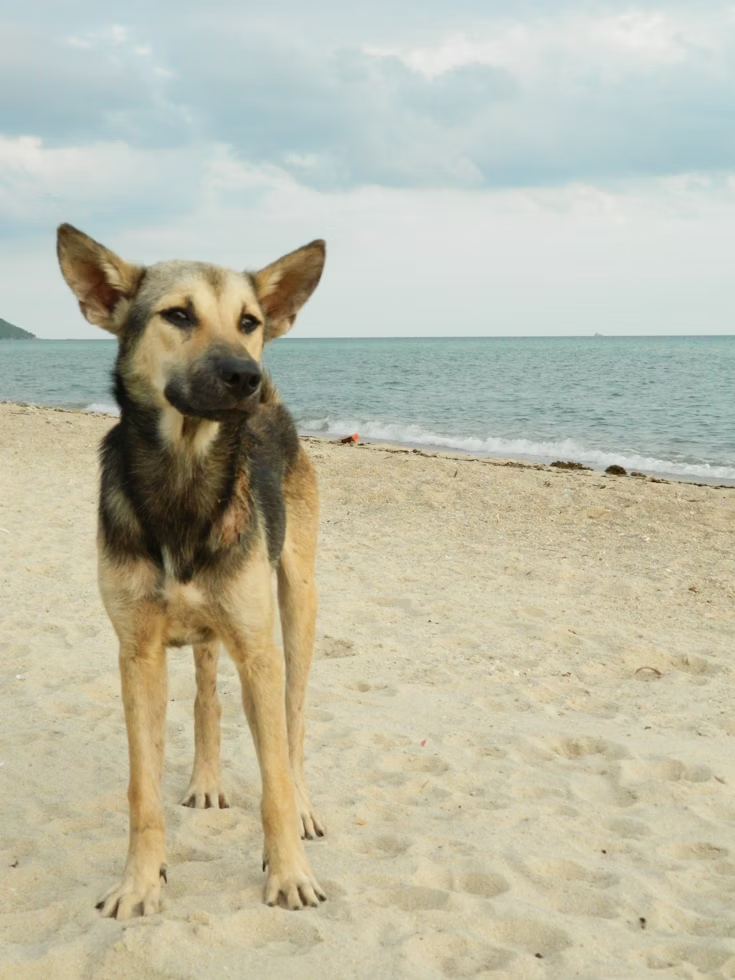
Common Causes in Rescue Dogs
In stray and rescue populations, neurological injury most often results from circumstances entirely outside the dog’s control. These may include:
Trauma (such as road traffic accidents, falls, or blunt force injury)
Oxygen deprivation (for example, during difficult births, near-drowning, or strangulation)
Infectious diseases (including viral or bacterial infections affecting the nervous system)
Toxin exposure (poisons, pesticides, or environmental chemicals)
Congenital abnormalities (conditions present from birth)
Severe malnutrition during early development
Each cause affects the brain differently, and outcomes vary widely.
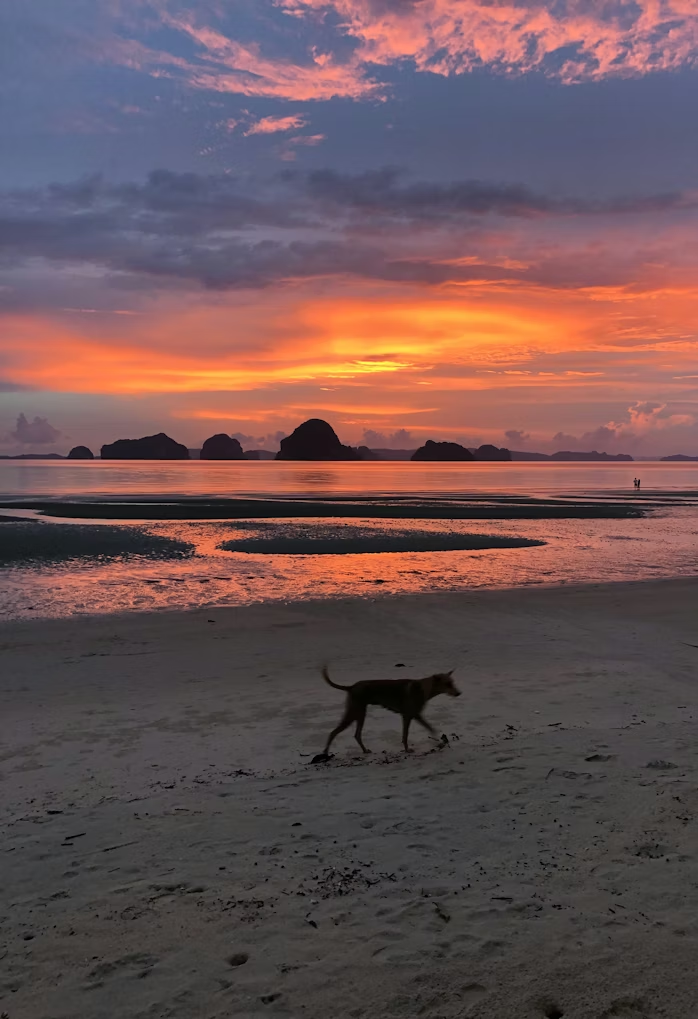
What It Can Look Like in Daily Life
Neurological impairment does not present the same way in every dog. Signs may include:
Poor coordination or unsteady walking
Head tilting or circling
Seizures (controlled or uncontrolled)
Visual or hearing impairment
Delayed responses or learning difficulties
Changes in behaviour, such as increased anxiety or confusion
Some dogs show obvious signs; others display very subtle differences that only become apparent over time.
Importantly, many dogs adapt remarkably well. The brain, especially in young animals has a significant capacity to compensate, reorganise, and function despite injury.
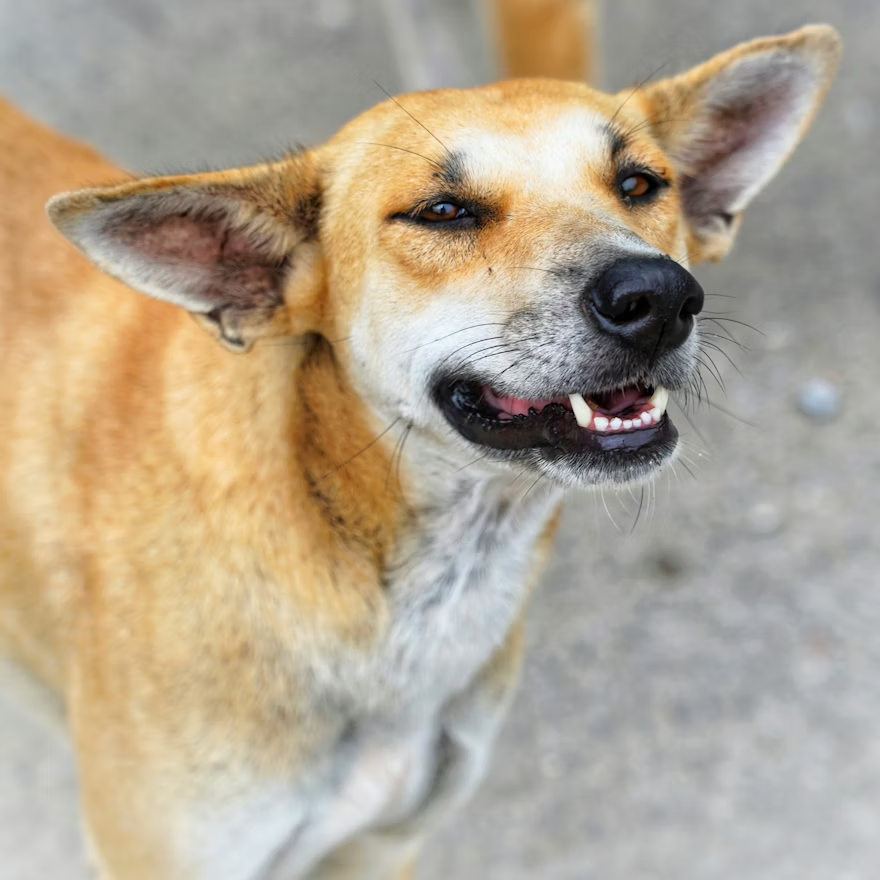
Permanent Does Not Mean Progressive
One of the most misunderstood aspects of neurological injury is the assumption that it will inevitably worsen. In many cases, damage is static it does not progress. Once the initial injury has healed, the dog’s condition remains stable.
A dog with static neurological impairment may:
Learn routines
Enjoy play and affection
Live peacefully with people and other animals
Form strong bonds with carers or adopters
Quality of life is determined far more by comfort, support, and environment than by a diagnostic label.
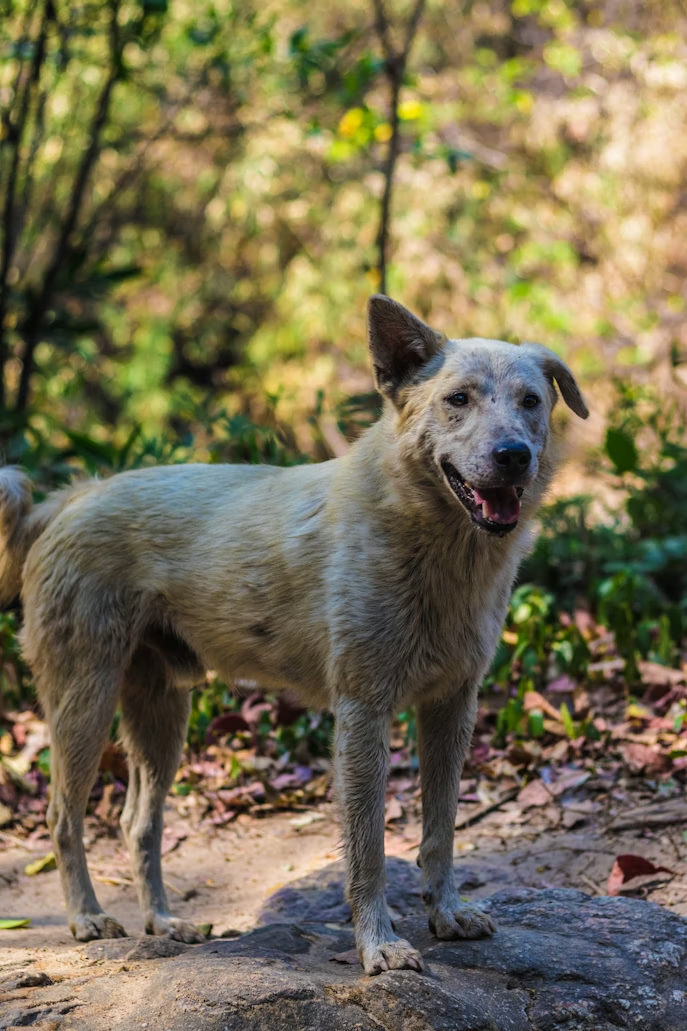
Why Language Matters So Much
When rescues use the term brain damage without context, it can unintentionally scare adopters, fosterers, and even other professionals. Vague or dramatic phrasing may lead people to assume the dog is aggressive, unpredictable, or unmanageable, assumptions that are often completely false.
This can result in:
Dogs being overlooked for adoption
Increased euthanasia decisions based on fear rather than welfare
Reinforcement of stigma against disabled animals
Precision and explanation are not optional they are ethical necessities.
A More Responsible Way to Communicate
When discussing neurological conditions publicly, it is far more helpful to explain:
What caused the injury (if known)
How it affects the dog day to day
Whether the condition is stable or ongoing
What support or management is needed
What the dog enjoys and can do, not only what they cannot
This approach educates rather than alarms, and invites compassion instead of fear.
Seeing the Dog, Not the Label
Brain damage is not a personality. It is not a moral failing. It is not a prediction of suffering or danger.
It is a medical description often incomplete, sometimes imprecise of a brain that has developed or been injured. Many dogs with neurological impairment are affectionate, joyful, resilient companions who thrive when given patience and understanding.
If we truly advocate for animals, our responsibility does not end with rescue. It extends to how we describe them to the world. Words shape outcomes and in rescue, they can be the difference between a life dismissed and a life given a chance.
-
The Dangerous Consequences of Getting Medical Information Wrong Regarding Stray Dogs

In animal rescue, words matter. What we type, share, or imply online can directly affect the lives of the animals we are trying to protect. Yet, too often, complex medical issues are oversimplified, misrepresented, or sensationalised on social media sometimes with devastating consequences.
Recently, a friend of mine who is deeply involved in dog rescue was alarmed by a social media post suggesting that transmissible venereal tumours (TVTs) in dogs were highly infectious to humans. She genuinely wondered whether she had somehow missed an important medical development. She hadn’t. But the damage didn’t stop there.
A dog owner, having read similar content, went on to tell others that foreign dogs have tumours that can be transmitted to humans. That single misunderstanding transformed a treatable canine condition into a frightening public health myth. This is how fear spreads. And when fear spreads, animals suffer.

When Misinformation Fuels Harm
TVT is a well-documented condition in dogs. It is transmissible between dogs through specific forms of contact and is not a zoonotic disease. It does not pose a risk to humans. Yet when information is poorly worded or stripped of essential context, it can quickly morph into something far more dangerous than ignorance: perceived threat.
For stray and community dogs already battling stigma, neglect, and hostile policies this kind of misinformation can be lethal. False beliefs about disease transmission reinforce narratives that portray street dogs as dirty, dangerous, or a risk to public health. These narratives are then used to justify exclusion, abuse, abandonment, and even mass killing.

The Responsibility That Comes With a Platform
Animal welfare organisations and rescue groups often have large, loyal followings. With that reach comes responsibility. Posting medical information is not the same as sharing a rescue update or a fundraising appeal. It requires precision, clarity, and crucially an understanding of how the public may interpret what is being said.
Even technically correct information can become harmful if it is poorly framed. Alarmist language, missing disclaimers, or vague phrasing can lead readers to draw conclusions that were never intended. Once those conclusions are shared and reshared, they take on a life of their own.

Accuracy Is an Ethical Obligation
Getting medical information wrong is not a harmless mistake. In the context of stray dogs, it can:
Increase fear and hostility toward already vulnerable animals
Discourage adoption and foster care
Fuel misinformation across borders and cultures
Undermine trust in legitimate rescue and veterinary work
Rescue is not just about saving individual animals it is also about changing public perception. Every post contributes either to understanding or to stigma.

A Call for Greater Care
Before publishing medical claims, organisations should ask:
Is this information sourced from qualified veterinary professionals?
Could this wording be misinterpreted by someone without medical knowledge?
Are we clearly stating what is and is not a risk?
Are we educating, or are we unintentionally frightening?
Silence is sometimes safer than speculation. And clarity is always better than urgency when lives are at stake.
Stray dogs already face enough threats. They do not need to be endangered further by careless words. If we truly advocate for them, we must ensure that the information we share protects them not puts them in greater danger.
-
Resolutions That Actually Save Lives

Every January, millions of people make New Year’s resolutions to eat better, work harder, be kinder, do more good. Most are well-intentioned. Many are forgotten by February.
But some resolutions don’t fade.
Some change lives not abstractly, not someday, but immediately.For animals living on the margins, there is no fresh start in January. Hunger doesn’t reset. Disease doesn’t pause. Abuse doesn’t take a holiday. What can change is the way we choose to show up.
Here are four New Year’s resolutions that genuinely save lives and sustain animal welfare work long after the excitement of January has passed.

Commit to Monthly Giving, Not One-Off Sympathy
One of the most powerful resolutions you can make is also one of the simplest: a small monthly donation.
Rescue organisations don’t operate in emergencies alone. They rely on predictable income to:
Plan medical treatments
Stock food and supplies
Respond quickly when the next animal is found injured, sick, or abandoned
A single donation helps.
A monthly donation keeps the doors open.In a time when winter vet bills rise and public attention drops, recurring support provides stability and stability saves lives.
Resolution: Replace one impulse purchase a month with a recurring donation that funds survival.

Volunteer What You Know, Not Just What You Can Lift
Volunteering isn’t limited to cleaning kennels or walking dogs though those roles matter deeply. Many organisations are overwhelmed not by lack of compassion, but by lack of specific skills.
If you have experience in:
Writing or editing
Translation
Graphic design
Fundraising
Administration
Social media management
Legal, veterinary, or technical support
You can make an enormous impact often remotely.
Skill-based volunteering reduces burnout within rescue teams and strengthens organisations from the inside.
Resolution: Offer what you already know how to do consistently, reliably, and with care.

Share Ethically. Advocate Responsibly.
Social media can either help animals or harm them.
Graphic images, misinformation, and performative outrage may generate clicks, but they often:
Re-traumatise viewers
Endanger animals
Spread false narratives
Undermine long-term advocacy
Ethical sharing means:
Verifying information before reposting
Prioritising education over shock
Amplifying trusted organisations
Using your voice to influence policy, not just emotion
Advocacy done well builds public understanding and political pressure both essential for lasting change.
Resolution: Share with purpose, not impulse. Advocate in ways that protect animals, not exploit them

Choose Responsible Adoption or Support Those Who Do
Adoption saves lives.
Irresponsible adoption creates new victims.A responsible adopter understands that bringing an animal home is not a rescue moment it is a long-term commitment involving:
Time
Financial responsibility
Training
Patience
Veterinary care
If adoption isn’t right for you, supporting foster programmes, transport networks, and post-adoption care is just as vital.
The goal is not to place animals quickly.
The goal is to place them safely and permanently.Resolution: Support adoption that prioritises the animal’s future, not human convenience.
The Resolution That Matters Most
You don’t need to do everything.
You don’t need to save every animal.But choosing one sustainable action and committing to it beyond January creates real, measurable change.
For animals facing hunger, illness, and violence, consistency is compassion in action.
This year, make a resolution that doesn’t fade.
Make one that keeps saving lives all year long.
-
Dog Desk Deluxe Greeting Cards – Artful Cards That Give Back

Whether you’re sending love, celebrating special moments, or simply brightening someone’s day, Dog Desk Deluxe Greeting Cards offer something truly special: a heartfelt message wrapped in beautiful art, with every purchase supporting rescue animals.
At Dog Desk, we believe that every moment of connection even through a simple greeting card can make the world feel a little kinder. That’s why our Deluxe Greeting Card collection combines quality, creativity, and purpose in every design.

A Card for Every Occasion
The Deluxe Greeting Card range features over 100 individual designs, each thoughtfully created to suit different tastes and occasions. From whimsical wildlife motifs to charming garden scenes, there’s something for everyone:
Playful nature and animal themes like Frog in the Chinese Garden and Bear & Bee in the Friendly Garden delightful for birthdays, well-wishes, or everyday cheer.
Heart warming designs that celebrate special bonds and meaningful moments.
Seasonal favourites and unique illustrations that stand out in any card collection.
Every card is professionally printed on high-quality semi-gloss FSC paper with a matching white envelope and wrapped in recyclable cellophane. Inside, the card is left blank, giving you the freedom to add your own personal message

Quality You Can Feel
Each Dog Desk Deluxe Card is A6 in size (105 x 148 mm) a classic format that feels substantial and elegant without being bulky. The attention to detail in print and finish means these cards are perfect for framing or keeping as keepsakes long after they’ve been opened.
Whether you’re celebrating a birthday, offering thanks, or sending a note just because, these cards make every message feel meaningful.

Every Purchase Makes a Difference
One of the things that makes Dog Desk Deluxe Cards truly stand out is the purpose behind them.
Dog Desk Shop is the trading platform for Dog Desk Animal Action CIC, and all profits from your purchases help support vulnerable and homeless companion animals both local and overseas.
That means your card does more than spread joy to the recipient it also contributes to:
rescue and rehabilitation efforts
veterinary care and support for animals in need
broader advocacy and welfare initiatives
It’s card-giving with compassion at its core.

Perfect for Gifting or Stocking Up
With such a wide range of designs available, the Deluxe Greeting Cards are ideal for:
✅ building a ready-to-send stash at home
✅ pairing with gifts or seasonal bundles
✅ spreading love to friends, family, and supporters
✅ adding a thoughtful touch to fundraising effortsAnd because they’re blank inside, they work beautifully for both personal and professional correspondence.

Final Thought
In a digital world where quick messages often miss the heart behind them, Dog Desk Deluxe Cards bring back something timeless: a physical token of care, creativity, and connection grounded in a mission that helps animals in need.
Explore the collection today and send a little kindness with every card.
-
Why Buying a Hat Can Actually Save a Life

When you think about lifesaving actions, most people imagine volunteering at shelters, donating blankets or food, or sponsoring veterinary care. But here’s something you might not realise: buying a cosy hat can literally help save a dog’s life.
At Dog Desk Animal Action, every purchase from our fundraising shop including stylish knit hats and winter accessories plays a vital role in supporting vulnerable dogs at home and overseas.

Every Penny Supports Real Rescue Work
When you buy a hat from the Dog Desk Knits collection on Dog Desk Shop, you’re not just getting a winter essential you’re contributing directly to lifesaving animal welfare work. Dog Desk Animal Action is a social enterprise, and every penny of profit from shop sales goes straight into:
Emergency medical care for homeless and injured dogs
Feeding programmes for hungry strays
Spay & neuter initiatives to prevent suffering and uncontrolled breeding
Education and welfare advocacy in communities
Every hat sold helps fund these critical services. So your purchase matters. It becomes part of the lifeline that keeps animals safe, healthy, and loved.

Charity Merchandise = Sustainable Fundraising
Charity apparel and merchandise are powerful fundraising tools. Unlike one-off donations, merchandise:
✔ Gives you something tangible so you literally wear your support for the cause
✔ Raises awareness when others see your hat and ask, “Where’s that from?”Your hat becomes more than a warm accessory: it’s a conversation starter and symbol of compassion.

You Get Something You’ll Love (and Use)
The Dog Desk Knits collection isn’t just charitable it’s handpicked for comfort and style. With a variety of cosy knit hats and warm accessories, you can stay snug in winter while also giving back. Browse designs that fit your personality and wardrobe knowing that each purchase makes a real difference.
Whether you choose a bright beanie to brighten your day or soft hand warmers to battle the cold, you’re doing good every time you wear it.

Small Choice, Big Impact
Buying charity merchandise like a hat might seem like a small thing but small actions add up. Your purchase helps fund:
💛 Veterinary treatment and rehabilitation services
💛 Shelter, care and feeding for animals in need
💛 Long-term welfare and adoption programmesYour hat purchase isn’t just a transaction it’s a lifesaving contribution that supports services many animals would otherwise go without.

Ready to Shop & Save a Life?
From cosy bobble hats to practical knits, the Dog Desk Knits shop has something for everyone and every purchase helps save dogs in need. Explore the full range today and feel good about what you wear: because a hat isn’t just fashion it’s kindness in action.
👉 Visit the Dog Desk Knits collection:
🔗 https://www.dogdeskshop.com/collections/dog-desk-knits -
Rediscovery of a Lost Wild Cat in Thailand Is A Triumph for Conservation

In an extraordinary turn of events for wildlife conservation, scientists have rediscovered a rare wild cat in Thailand that hadn’t been documented in the country for nearly 30 years. Once feared locally extinct, this elusive feline has returned offering fresh hope for endangered species and the fragile ecosystems they depend on.

The Flat-Headed Cat: Southeast Asia’s Hidden Feline
The species at the heart of this discovery is the flat-headed cat (Prionailurus planiceps), one of the least seen wild cats in the world. These cats are distinctive for their flattened foreheads, short bodies, slim legs and webbed toes adaptations that help them hunt in wetland environments, where they feed on fish, frogs and other aquatic prey.
Flat-headed cats are small often weighing less than a domestic cat and extremely shy, making them difficult to study. Their range includes isolated areas of Brunei, Indonesia, Malaysia and southern Thailand, but they were last reliably recorded in Thailand in 1995. Since then, scientists assumed the species was likely extinct within the country

Captured on Camera After Decades
Recent surveys using remote camera traps in the Princess Sirindhorn Wildlife Sanctuary in southern Thailand have changed that belief. Researchers documented several flat-headed cats, including a female with her cub a remarkable indication that the species is not only present but also breeding locally.
These images represent the first confirmed sightings in Thailand in nearly three decades, and scientists describe this rediscovery as one of the most exciting wildlife conservation breakthroughs in the region in years.

What This Rediscovery Means
The re-emergence of the flat-headed cat in Thailand is not just a cool story it’s a symbol of what dedicated protection and careful monitoring can achieve:
Hope for Endangered Species: The flat-headed cat is classified as Endangered, with global populations under threat from habitat loss and human activity.
Importance of Wetlands: These cats rely on wetland ecosystems like peat swamps and freshwater forests. Protecting these habitats benefits countless other species too.
Conservation Progress: Long-term surveys and partnerships between Thai authorities and conservation organizations such as Panthera were crucial in this rediscovery

A Reminder and a Challenge
While this news is uplifting, it also reminds us that many species remain on the brink, often disappearing before science can even fully understand them. The flat-headed cat’s return encourages greater investment in habitat protection, research, and sustainable coexistence between humans and wildlife.
As conservationists say, “Species once thought lost can still thrive if we give them a chance.”
-
Why Flea Infestations can Be Deadly for Stray Dogs
Fleas are often dismissed as a minor nuisance an irritating but manageable problem. For stray dogs, however, flea infestations are anything but harmless. They are a serious, often fatal threat that quietly claims lives every year. In environments where veterinary care, nutrition, and shelter are absent, a parasite as small as a flea can become a death sentence.
More Than Just an Itch
A flea infestation is not simply about discomfort. Fleas are blood-feeding parasites, and a single dog can host hundreds or even thousands of them. Each flea feeds multiple times a day. For a healthy, well-fed pet, this is survivable with treatment. For a malnourished stray dog, it can be catastrophic.
Stray dogs are already living on the edge: underfed, stressed, and exposed to the elements. Fleas exploit this vulnerability, compounding existing weaknesses until the dog’s body can no longer cope.
Severe Anaemia: Death by Blood Loss
One of the most lethal consequences of flea infestations is anaemia. Continuous blood loss caused by fleas can rapidly deplete red blood cells, especially in:
Puppies
Elderly dogs
Sick or malnourished dogs
Anaemic dogs become weak, lethargic, and unable to regulate their body temperature. Their gums turn pale, their hearts strain to compensate, and eventually vital organs begin to fail. In severe cases, death can occur suddenly often without obvious warning.
For puppies born on the streets, flea-induced anaemia is a leading cause of early mortality.
Flea Allergy Dermatitis and Open Wounds
Many dogs develop flea allergy dermatitis, an extreme allergic reaction to flea saliva. Even a small number of bites can cause:
Intense itching and self-mutilation
Hair loss and raw, bleeding skin
Thickened, infected lesions
Stray dogs cannot escape fleas, and they cannot heal properly. Constant scratching opens the skin, allowing bacteria to enter. What begins as irritation can quickly become widespread infection, sepsis, and death.
Fleas as Disease Vectors
Fleas are not just parasites they are carriers of disease. They transmit:
Tapeworms, leading to malnutrition and gastrointestinal damage
Bacterial infections, including those that affect blood and organs
Blood-borne pathogens, which further weaken already compromised immune systems
For stray dogs with no access to deworming or antibiotics, these secondary infections often go untreated until it is too late.

Fleas and Malnutrition
Flea infestations worsen hunger. Blood loss increases nutritional demands, while illness suppresses appetite. Dogs become trapped in a vicious cycle:
Fleas cause blood loss and illness
Weakness reduces the ability to find food
Malnutrition weakens the immune system
Fleas multiply unchecked
Eventually, the body shuts down.

Why Stray Dogs Are Most at Risk
Unlike owned dogs, stray animals cannot benefit from:
Preventative flea treatments
Regular grooming
Veterinary intervention
Safe, clean living environments
Fleas reproduce rapidly in warm, dirty conditions exactly the environments stray dogs are forced to inhabit. Without human intervention, infestations escalate relentlessly.

A Preventable Cause of Death
The most tragic truth is this: flea-related deaths are entirely preventable. Simple measures, flea control, basic veterinary care, nutrition, and shelter can mean the difference between life and death.
When we overlook fleas as a minor issue, we overlook the suffering and silent deaths of countless stray dogs. Addressing flea infestations is not cosmetic care it is lifesaving intervention.

Final Thought
Fleas may be small, but their impact is devastating. For stray dogs, they are not an inconvenience; they are a serious, deadly threat. Recognising flea infestations as a welfare emergency is essential if we are to reduce unnecessary suffering and loss of life among the world’s most vulnerable animals.
-
When Solved Means Silenced – The Reality Behind Iğdır’s Stray Dog Round-Ups
Authorities in Iğdır have announced that the region’s stray dog “problem” has been largely resolved through the mass collection and confinement of free-roaming dogs into a temporary care facility. Official statements describe this as progress, a humane and orderly solution.
But what is absent from these reports is the reality captured on video.
And that reality tells a far more disturbing story.Footage emerging from the facility shows clear signs of fear, stress, and violence all hallmarks of an environment that is failing the animals it claims to protect.
In the video:
A puppy yelps and cowers in the presence of an adult dog, displaying submission and fear rather than healthy social behaviour.
One adult dog is seen with blood around his throat and head, strongly indicating fighting most likely triggered by environmental stress and the need to guard limited resources such as food or space.
These are not random incidents.
They are predictable outcomes of poor management and overcrowding.
Stress Creates Violence Not Safety
Dogs are not interchangeable units that can be grouped together without consequence. When animals are:
forcibly removed from familiar territories
confined in close quarters
denied adequate space, enrichment, and structure
their behaviour changes.
Stress increases. Fear escalates. Aggression follows.
Bloodshed in such facilities is not evidence of bad dogs it is evidence of a system that has ignored basic principles of animal welfare and canine behaviour.

Puppies Should Never Be Housed With Unrelated Adult Dogs
One of the most alarming aspects of the footage is the presence of puppies confined alongside adult dogs.
This is a serious welfare failure.
In high-stress environments, puppies are not protected they are perceived as threats.
Pups are small, defenceless, and easily eliminated. In overcrowded kennels, adult dogs may view them as:
competitors for food
intruders into limited space
sources of stress that trigger dominance behaviour
Placing puppies with unrelated adults puts them at immediate risk of injury or death.
It is a fundamental violation of responsible sheltering practice.
Confinement Is Not Care
Rounding up dogs and placing them out of sight does not solve a problem it relocates suffering behind closed doors.
True animal welfare requires:
✔ Individual health and behavioural assessments
✔ Strict separation of puppies from adult dogs
✔ Controlled, compatible grouping
✔ Adequate space, enrichment, and supervision
✔ Veterinary oversight and trauma-informed handling
✔ Clear pathways to rehabilitation, foster care, and adoptionWithout these measures, facilities become pressure cookers, not sanctuaries.

This Is Not a Solution It Is a Warning
When officials declare success while animals bleed, cower, and fight for survival, the public must ask harder questions.
A system that allows:
injured dogs to go untreated
terrified puppies to be placed in danger
stress-induced violence to flourish
is not humane it is negligent.
At Dog Desk Animal Action, we believe that the most vulnerable animals define the integrity of any so-called solution.
If puppies are afraid, adults are fighting, and injuries are visible the problem has not been solved. It has been hidden.
Our Call to Action
We urge authorities, media outlets, and the public to demand:
transparency inside animal facilities
adherence to internationally recognised welfare standards
an end to mass round-ups without proper care infrastructure
Dogs deserve protection not containment at any cost.
Out of sight must never mean out of conscience.
-
Sedat Peker: Crime, Power, and the Ethics of a 100-Tonne Dog Food Donation
The story of Sedat Peker is not one of redemption, nor of heroic truth-telling. It is the story of a man who rose within a system where organised crime, political power, and impunity overlapped, enforced that system through violence, and later turned on it when protection gave way to exile.
That story took a new and deeply uncomfortable turn when Peker recently donated 100 tonnes of dog food to struggling animal shelters in Turkey, an act that immediately sparked debate across civil society and rescue networks.
To understand why this gesture unsettles so many people, it must be placed alongside the full reality of who Peker is, what he did, and what his public interventions represent.

A Criminal Career Built on Violence
Sedat Peker is a convicted organised crime leader. Turkish courts found him guilty multiple times of establishing and leading a criminal organisation, a charge that reflects structured, long-term criminal activity rather than isolated offences.
His record includes:
Ordering and facilitating armed attacks and severe assaults
Extortion and coercion of business owners
Public threats against journalists, academics, and those in the political world
Illegal possession and distribution of firearms
Much of this violence was carried out by others acting on his instructions, hallmark behaviour of organised crime leadership. Fear was not a side-effect of his influence; it was its foundation.
Notably, many of his threats were delivered openly, framed in nationalist language and broadcast without restraint. That confidence reflected a widely shared assumption: that his proximity to power insulated him from meaningful consequences.

Visibility, Protection, and Power
Unlike many criminal figures, Peker operated in public view. He attended rallies, issued statements, and cultivated an image of patriotic loyalty. Despite convictions and investigations, he repeatedly resurfaced, reinforcing the belief that criminality aligned with political interests could be tolerated.
In this environment, the boundary between state authority and criminal enforcement blurred. Legality became secondary to loyalty.

Exile and the Breaking of Silence
That arrangement fractured when Peker left Turkey amid renewed investigations and arrest warrants. From abroad, in 2021, he released a series of videos accusing senior politicians, security officials, business figures, and media actors of corruption, drug trafficking, cover-ups, and violent crimes.
Crucially, Peker did not deny his own past. He acknowledged his crimes and framed them as evidence of a larger truth: that he had acted within a protected system, not outside it.
His message was not repentance it was retaliation. Silence, once enforced through fear, was replaced by disclosure driven by betrayal.

Why a Criminal Was Believed
Peker’s credibility is irreparably damaged by his history of violence. Yet millions listened. Not because he was trustworthy, but because institutions were not.
Courts did not investigate comprehensively. Much of the mainstream media refused to engage seriously. In that vacuum, even a convicted criminal could appear to be a more forthcoming source than the state itself.

The Dog Food Donation: Compassion or Power?
It is against this backdrop that Peker’s donation of 100 tonnes of dog food must be understood.
For shelters on the brink of collapse, overcrowded, underfunded, and facing hostility from municipalities this was not symbolic aid. It was survival. Empty bowls are not theoretical. Dogs starve quickly.
Why would Peker do this?
Several explanations coexist:
Reputation laundering: Highly visible charity, especially toward animals, is a low-risk way to cultivate moral legitimacy.
Moral insulation: Animal welfare allows compassion without confronting human victims of violence and corruption.
Personal conviction: It is possible to care about animals and still commit grave crimes against people.
Demonstration of power: By stepping in where the state has failed, Peker reinforces a familiar message, I can act while institutions cannot.
None of these motives absolve him. But they explain why the gesture resonated.

Is It Ethical to Accept the Donation?
For rescuers, this question is not philosophical it is immediate and brutal.
Refusing 100 tonnes of food does not punish the donor. It punishes dogs.
Accepting the donation does not mean endorsing Peker’s crimes or rehabilitating his image. Shelters did not create his power, excuse his violence, or benefit from his past. They fed animals who had no agency in any of this.
Yet the discomfort is valid. There is a real risk of charity laundering, where benevolence softens public memory and blurs accountability.
The ethical line, then, lies in context and transparency: aid without myth-making, relief without redemption, survival without silence.

The Real Scandal
The most damning truth is not that Sedat Peker donated dog food. It is that animal shelters in Turkey were desperate enough to need it.
When the state abdicates responsibility, vacuums open. And vacuums are filled by whoever has resources regardless of how tainted those resources may be.
Blaming shelters for accepting food distracts from the real failure: a system that forces civil society into impossible moral choices just to keep living beings alive.

Conclusion
Sedat Peker is not redeemed by charity, nor transformed by exposure. He remains a figure shaped by violence, power, and impunity.
But his donation, like his revelations, exposes something larger than himself: a collapse of institutional responsibility so profound that criminal figures can alternately terrorise, expose, and sustain society.
Until judicial accountability is restored, media scrutiny protected, and animal welfare properly funded, these contradictions will persist.
And the question will keep returning not because rescuers are compromised, but because the system is.

Footnote: Dog Desk Animal Action’s Position
Dog Desk Animal Action would not be able to accept donations that could reasonably be suspected to derive from the proceeds of crime. Our internal policies explicitly prohibit this, and we are also bound by the requirements of our regulator. While we recognise the impossible pressures facing many shelters, organisational integrity, legal compliance, and safeguarding obligations must remain non-negotiable.
-
Behind The Scenes – A Winter Lifeline for The Shelter Project Dogs

Subscribe to continue reading
Become a paid subscriber to get access to the rest of this post and other exclusive content.
-
What the Danıştay Decision Means for Municipalities and Stray Dogs

Turkey’s highest administrative court, Danıştay, issued a landmark ruling that quietly but decisively reshaped the legal landscape for how municipalities may act toward stray animals.
At its core, the decision cancelled a 2021 ministerial circular that had long been used to justify widespread animal collection practices. The implications are immediate, practical, and highly significant not only for local authorities, but for anyone working to protect animals on the ground.

A Circular That No Longer Exists Legally
The cancelled document was a General Circular on Stray and Dangerous Animals, issued in December 2021 by the Ministry of Environment, Urbanisation and Climate Change.
Municipalities across the country relied on this circular to:
justify mass collection of animals,
frame stray animals as inherent risks,
bypass individual assessment requirements.
Danıştay ruled that the circular was unlawful from the outset because it was issued by a ministry that no longer had legal authority over animal protection matters.
As a result, the circular is now null and void. It cannot be relied upon, cited, or enforced.

What Changes for Municipalities Right Now
“We were instructed to do this” is no longer a defence
Municipalities can no longer claim that controversial actions toward animals were carried out under binding ministerial instruction.
The court has made it clear:
an instruction issued without authority has no legal value.Any municipal action that depends on the cancelled circular now stands on extremely weak legal ground.

Blanket animal collection has lost its legal cover
The circular functioned as a shortcut allowing broad, area-wide animal collection without individualised justification.
With its cancellation:
each intervention must now be justified directly under the law,
mass or preventive collection practices are far easier to challenge,
and municipalities must demonstrate specific necessity, not general fear.
This is a critical shift from policy-by-habit to action-by-law.
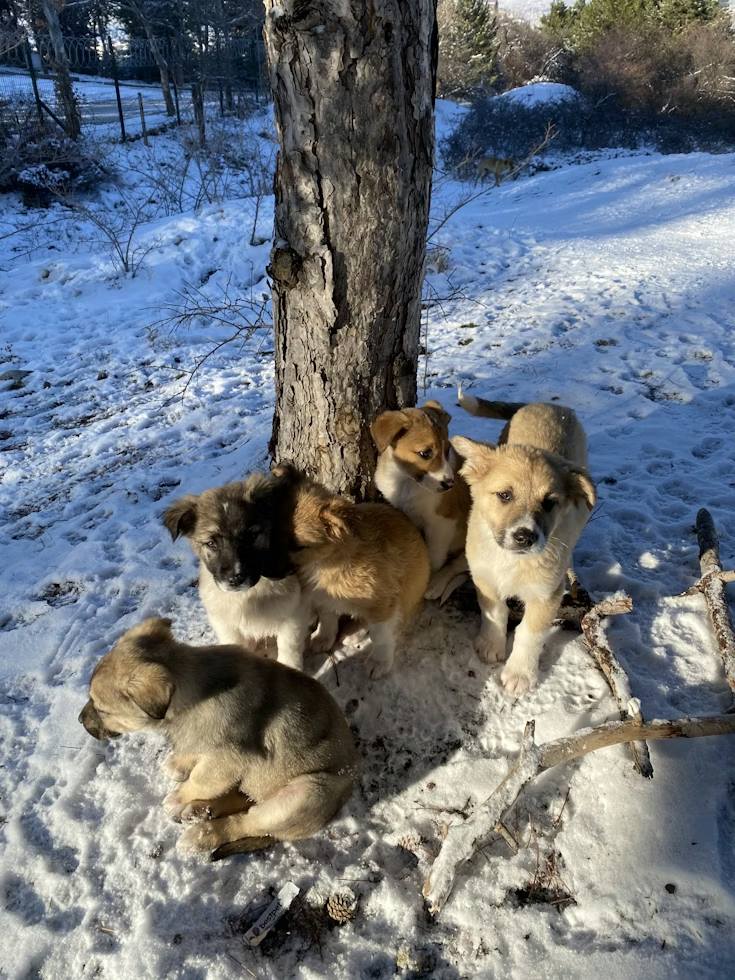
Stray does not mean dangerous
One of the court’s most important observations concerned language.
By grouping “stray” and “dangerous” animals together, the circular created a perception that animals without owners are inherently threatening. Danıştay rejected this framing.
Practically, this means:
municipalities cannot presume risk,
danger must be individual, concrete, and demonstrable,
and fear-based justifications are legally vulnerable.

Only one authority can now issue binding rules
The ruling confirms that only the Ministry of Agriculture and Forestry may issue regulations governing animal protection.
Municipalities are therefore limited to:
the Animal Protection Law (Law No. 5199),
valid regulations issued by the competent ministry,
and actions clearly permitted by law.
They are not permitted to rely on circulars, letters, or informal guidance from unauthorised bodies.

Legal exposure has increased significantly
If a municipality continues to act as if the cancelled circular still exists, it risks:
annulment of its actions by administrative courts,
stay-of-execution orders,
and potential personal responsibility for officials involved.
This ruling removes the protective shield municipalities previously relied upon.

What the Decision Does Not Do
It is important to be clear.
The ruling does not prevent municipalities from:
treating injured or sick animals,
operating shelters and clinics,
intervening in proven, individual danger cases,
or fulfilling their lawful duties under existing legislation.
What it prevents is the replacement of law with convenience.
Why This Decision Matters Beyond the Courtroom
This is not just a technical ruling.
It:
restores the hierarchy of law over practice,
limits arbitrary or fear-driven interventions,
strengthens legal challenges by citizens and organisations,
and reasserts that animal protection policy must follow due process.
For advocates, this decision is a powerful tool.
For municipalities, it is a warning.
For animals, it is a rare and meaningful legal safeguard.
Conclusion
Danıştay’s decision does not introduce new rights it enforces existing ones.
By cancelling an unlawful circular, the court has reminded all public authorities of a simple rule:
Power must come from law or it does not exist at all.
That principle now governs municipal action toward animals, here and now.
-
Ankara Karataş Shelter: Outrage After Alleged Animal Massacre

On 26 December 2025, disturbing footage from the Karataş Animal Shelter in Ankara circulated widely on social media, sparking a wave of shock, anger and urgent calls for accountability from animal rights advocates across Turkey.

Viral Footage Ignites Public Outcry
The video clips show what appear to be dead dogs placed in plastic bags inside a cold storage area, alongside at least one dog that was still alive among the bodies. These images quickly went viral, reigniting intense debate about animal welfare in the country.
Animal rights campaigner Alper Karmış has stated that around 50–60 dogs may have been killed, demanding an independent and transparent investigation so the public can know exactly what happened.

Authorities Respond Denying Shelter Ownership
The Ankara Metropolitan Municipality responded with an official statement claiming that:
The depot shown in the footage does not belong to the municipality, and no sign, emblem, or logo of the institution appears in the video.
Municipality and Ministry of Agriculture officials reviewed security footage and found no evidence of wrong doing.
They insist that security measures were in place and deny that the images are proof of a massacre.
Despite this, animal lovers gathered in protest outside the shelter, reporting that municipality teams and gendarmerie blocked access, raising concerns about possible evidence tampering. Some protesters also highlighted allegations that dogs were left hungry and thirsty before their deaths.
A Broader Context of Animal Rights Tensions In Turkey
This incident is not isolated. Over the past year, animal rights groups in Turkey have repeatedly raised alarms following the passage of controversial changes to animal protection law. Critics argue that the new legislation which requires municipalities to capture stray animals and allows euthanasia of aggressive or sick animals has opened the door to indiscriminate killings in shelters & on the streets.
Independent reports and activist groups have documented multiple alleged cases of mistreatment and unlawful euthanasia at shelters in various cities, fuelling a wider debate about how animals are treated under current policies and whether humane alternatives are being properly funded or enforced
Animal Welfare Advocates Demand Transparency
Animal rights defenders argue that:
There must be a fully independent investigation beyond municipal review.
All footage and shelter protocols should be made public.
Animal welfare organizations and legal observers should be allowed unrestricted access to the site.
Many on social media have also called on political leaders including Ankara’s mayor and national officials to issue clear statements and take responsibility for ensuring shelter animals are protected and treated with dignity.

Numbers That Don’t Add Up
Despite a total shelter capacity of only 12,675, a total of 41,341 dogs have been collected. Authorities report that 17,790 of them died from so-called natural causes, raising serious concerns.
We hoped the change in law would deliver a sheltering system that worked, one grounded in care, accountability, and compassion. Instead, it has failed miserably, inflicting profound suffering on hundreds of thousands of innocent, sentient beings whose only crime is having been abandoned by irresponsible humans.
-
Vultures: Europe’s Most Misunderstood Environmental Heroes
In conversation with Jose Tavares from the Vulture Conservation Foundation, we unpack the bad press vultures face, why they’re actually good news for ecosystems, and why protecting these vital scavengers is essential for Europe’s environmental health.